

Mold is an everyday part of life, a natural part of the environment. It can enter your home or business through many avenues: on clothing and pets, through heating and cooling systems and ventilation systems, or with the wind when a door or window is opened.
But what exactly is mold? Is it dangerous? Where is mold commonly found? Why does it grow?
Defining Mold
The Merriam-Webster Dictionary defines mold as “A superficial often woolly growth produced especially on damp or decaying matter or on living organisms by a fungus (as of the order Mucorales).” In other words, when mold spores land on excessive moisture, they begin to grow.
Many of us are familiar with mold. We’ve seen it before; it’s often a green-ish substance found growing in cool or damp areas like basements or crawlspaces. Mold spores are literally everywhere, but they need moisture to grow, which is why you’re more likely to find it in certain areas.
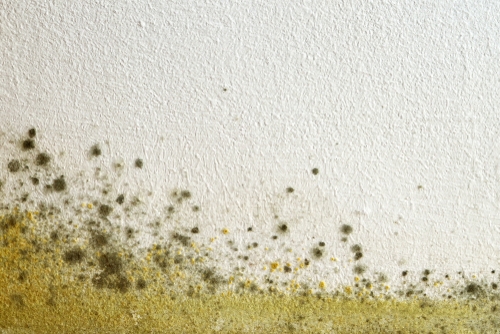
Is Mold Dangerous?
A common concern about mold is whether it’s dangerous. Unfortunately, there’s no exact answer. There are thousands of species of mold. Different molds can cause different health effects, and people can have different sensitivities to mold. It’s important to keep in mind that people with allergies or asthma may be more sensitive.
Many of us have heard of “black mold,” the common name for stachybotrus chartarum. (However, it’s important to note that many molds are black.) How can you tell if this mold is in your home or business? Well, it often grows on materials like paper, gypsum board, and fiberboard; its growth requires constant moisture.
Where is Mold Commonly Found?
Mold is commonly found in damp and cool areas, like basements and crawlspaces. It’s also prone to grow in areas where flooding, storms, or other severe weather may have caused excessive moisture. This is why mold grows around leaks in windows, roofs, or pipes that sustain damage during weather or other events.
If conditions are favorable, mold may also grow on:
- Wood and paper products
- Cardboard and ceiling tiles
- Carpet
- Fabric
- Upholstery
- Paints
- Wallpaper
- Dust
- Insulation
- Drywall
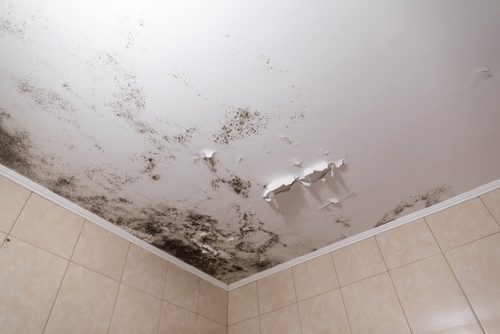
SERVPRO is Always Available
If you find mold in your residential or commercial property, it’s best to be safe and contact a cleanup and restoration company like SERVPRO® as soon as possible. Our professionals have the training, protective gear, and specialized equipment necessary to handle your mold problem.
While you wait for help to arrive, it’s recommended that you turn off the HVAC and stay out of the affected area. You can rely on SERVPRO’s mold remediation process to help get you back on your feet. We’re committed to helping ensure your property is restored to pre-loss condition, “Like it never even happened.”
Contact us to find out more, or visit our FAQ and Glossary.